YUHUI JIANG’S PEDAGOGICAL PLAN: USE PICTURE SILHOUETTE QUESTION-AND-ANSWER AND CRAFTING SILHOUETTES TO DISCUSS THE MUSEUM’S ARTIFACTS, COSTUMES AND WEAPONS
War and peace are complicated. War has brought great destruction and suffering to people and is a tragedy of human society. Similarly, peace is the common pursuit of mankind and the foundation of social development.
Fort York was a military base where British soldiers, Aboriginal warriors and Canadian militia fought against the United States in the War of 1812, and is now an archaeological park in Toronto.This archaeological park preserves almost all traces left by the war at that time, and it can be said that through the immersive experience, people can relive the moment of the battle. It is also to let people know the stories of the unknown heroes and those who defend our cities, and most importantly, to let people understand the importance of peace.
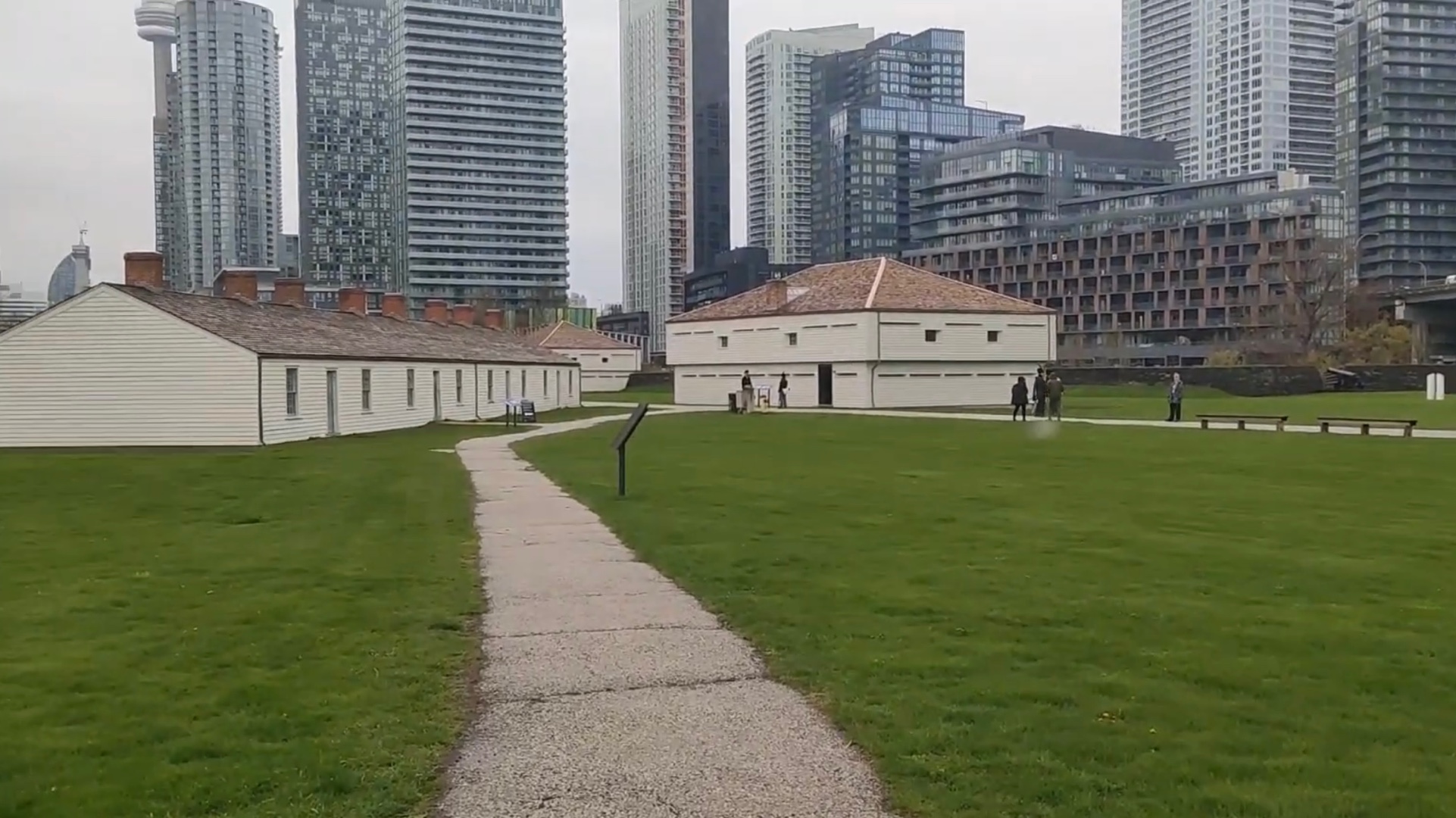
Age: For children from grades 6 to 12.
Objective of the game: Through games, let the children observe the silhouettes of different artifacts, costumes and weapons, and in this way let the children understand the history and deeds of military artifacts, materials and costumes.
Learning Plan: Military weapons, clothing and artifacts all have a history. First of all, through the image silhouettes of weapons, clothing and artifacts children can start to recognize and start to think about what is this and what can it be used for? Then the story of these cultural relics, weapons and clothing is explained, each part of image silhouettes is first used to let the children guess and cognition, and finally with the help of the guide, so that the children can find the correct answer. Then the history of these artifacts, weapons and clothing is taught to encourage children to learn how to think and learn about objects. Finally, the children made their own pictures of different artifacts, costumes and weapons, and asked each other questions.
Use Picture Silhouette Question-And-Answer And Crafting Game (15 minutes)
Visitors are asked questions and answers through pictures of different military artifacts, weapons and clothing silhouettes.
Game Question Part 1
- “What do you think it is?”
- “What do you think it could be used for?”
- “What is the name of the object in this picture?”
After asking these two questions, you can provide visitors with certain clues to help them figure out the history and function of these artifacts, costumes and weapons, and after providing information.
Game Question Part 2
- “What room is this thing in? Is it in that storage room?”
- “What do we use this kind of room and space for?”
- “How does it help us figure out what this object is?”
Game Part 3
Finally, different children were asked to make a picture silhouette, and then the children asked each other questions. (Children can be given paper and markers to draw on different artifacts, not in great detail, but in shadowy silhouettes of artifacts, clothing, and weapons.)
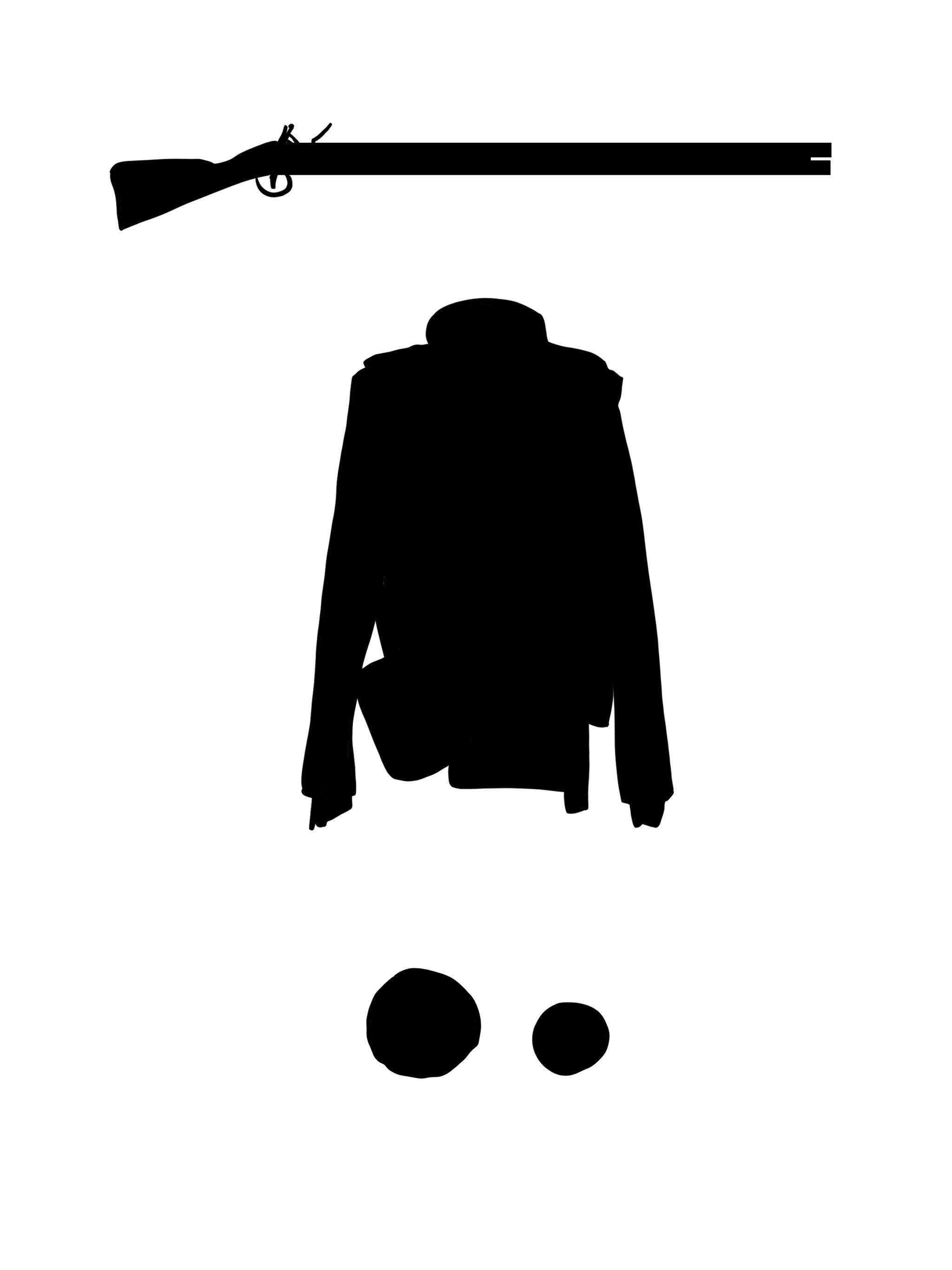
Different Visitors' Feelings (15 minutes)
How local and foreign visitors responded to my questions and what they thought when they saw the picture silhouettes of military clothing, artifacts and weapons I had made and what it was like for local and foreign adults and children to visit Fort York:
As for the part about local tourists, I came with my landlord's friends, the landlord's friend's kid and relatives, relative's child, but later I also asked other tourists who came here and I was at the park gate in Fort York, and I don't know how to describe it, so I took a picture of where I met landlord's friends and children.
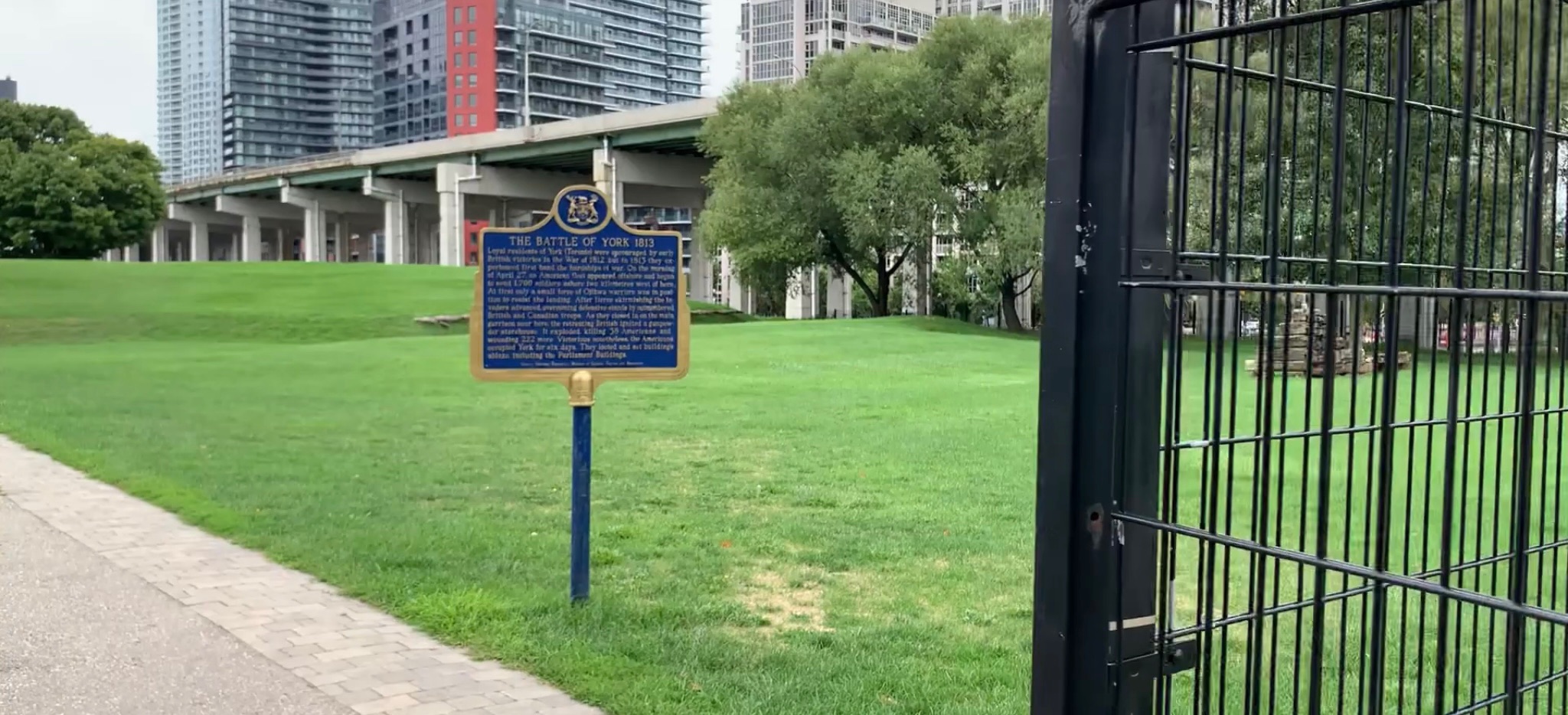
I asked my landlord friends and their children the three questions in part 1, the children to my first question “What do you think it is?” They answered me that they thought these things were guns, clothes, and shells, there are some they do not know, so they did not answer me, and then to the second question “What do you think it could be used for?”, they can only say that these things are used to fight bad guys, and more mature children can also tell me who can own these things. And what it's for. When I asked the third question “What is the name of the object in this picture?”, the children were confused because they didn't know the difference between it and the first question. The adults answered all three of my questions correctly in the first part, and even helped the children.
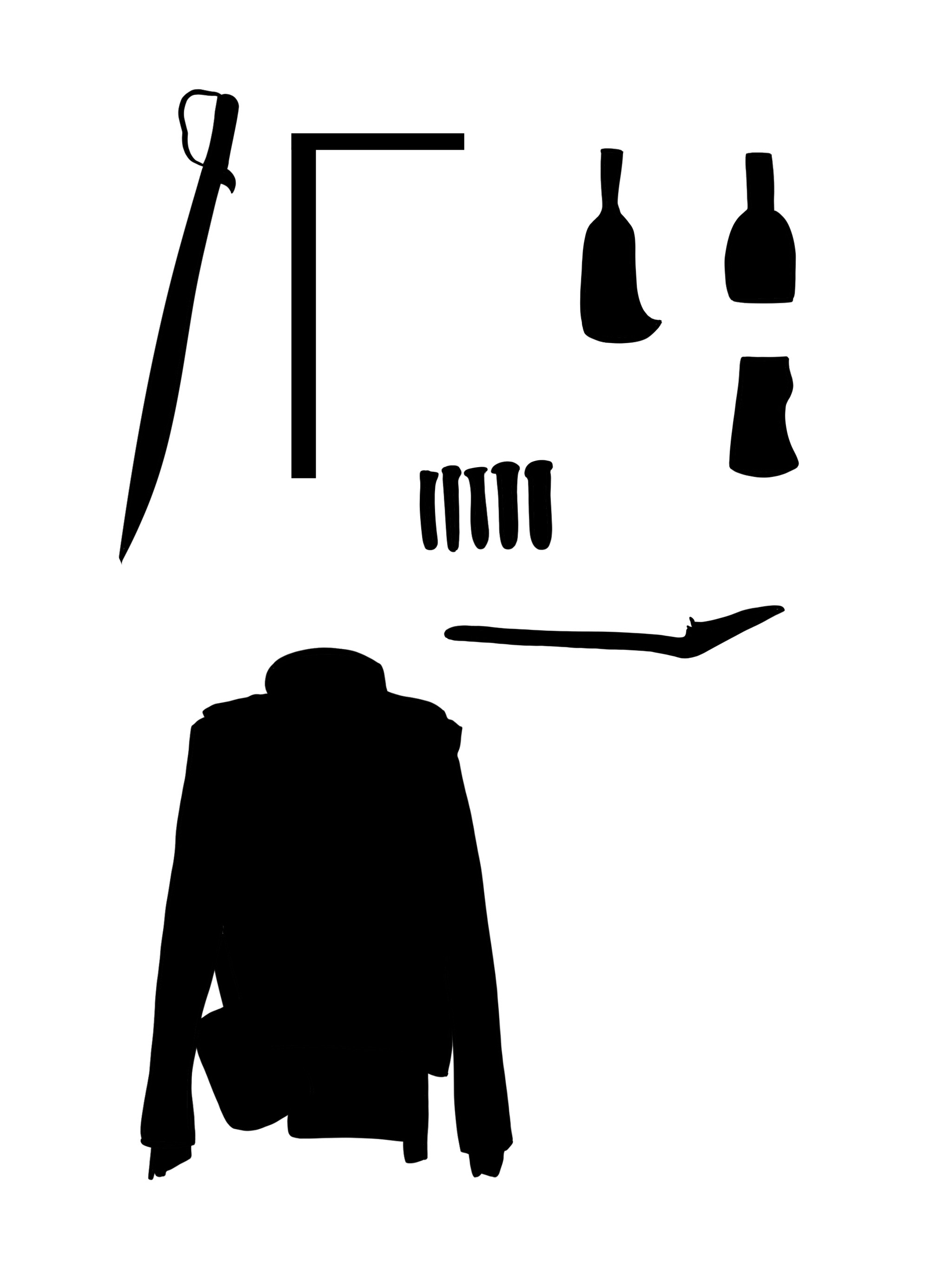
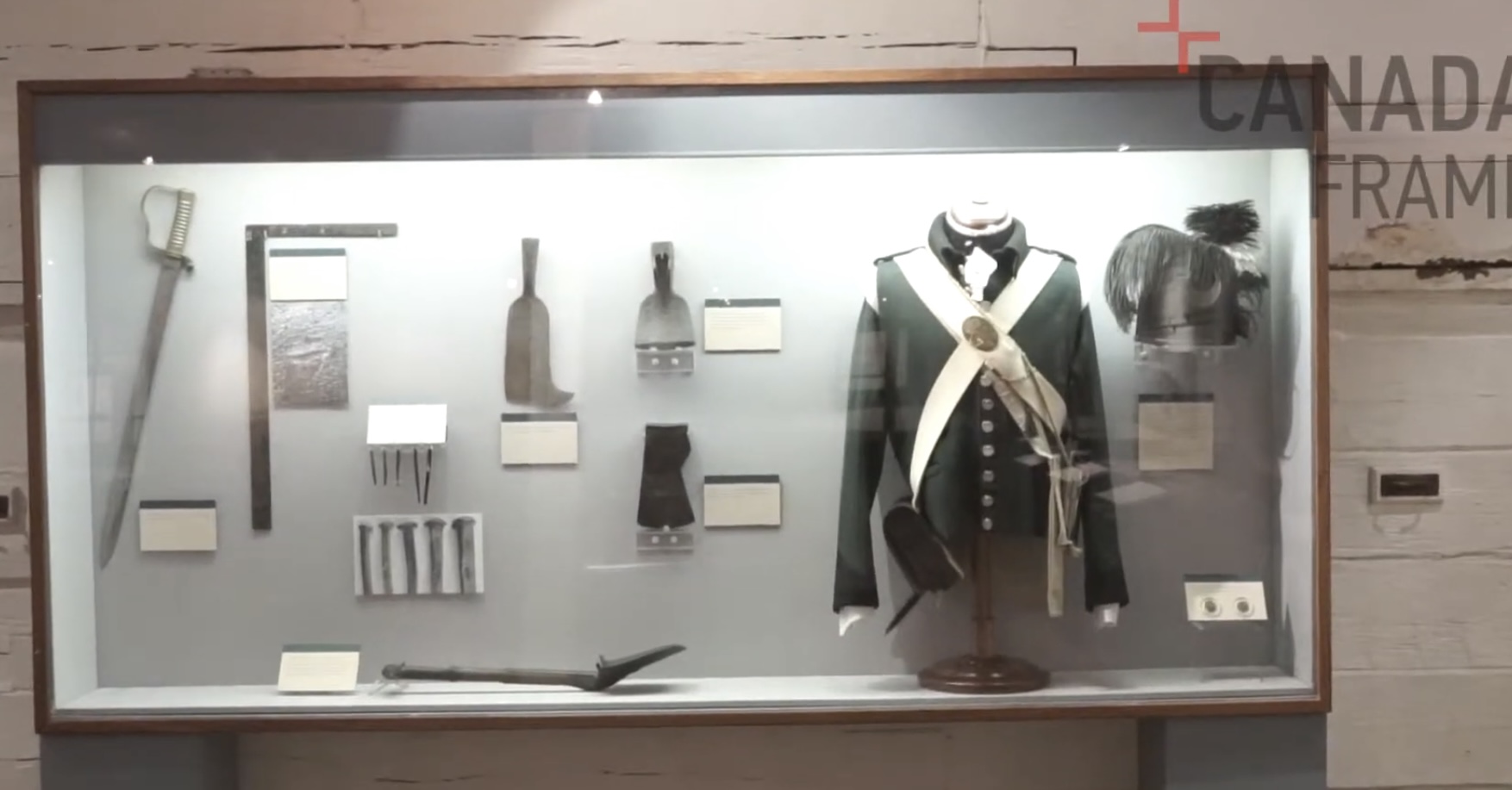
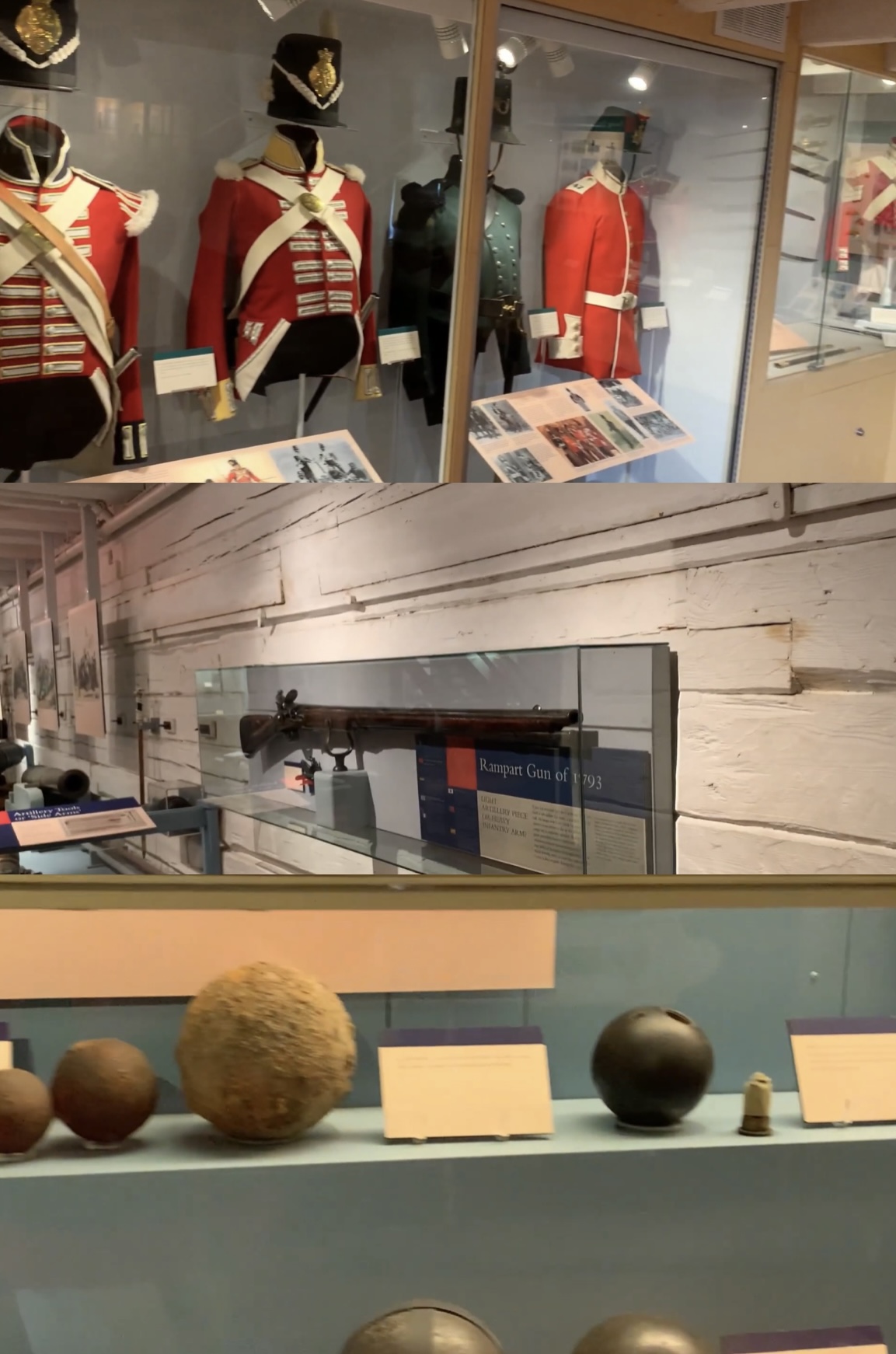
For the three questions in part 2, the first question “What room is this thing in? Is it in that storage room?” the children did not know how to answer, so I asked them to take me to the most suitable room for this object, and basically ran through various exhibition places.Then for the second question “What do we use this kind of room and space for?”, the children mostly thought it was a place to eat and sleep, or could only describe it as a place of work, and then the adults would add that it was a place where soldiers built shells.Then on the third question “How does it help us figure out what this object is?”, the children were very upset because they did not know for a moment how the room could help us figure out what the silhouette on my hand was. Children can only rely on my silhouette pictures to recognize, and do not know how to recognize the objects in these pictures through the room. And then the adults and I supplement the children.
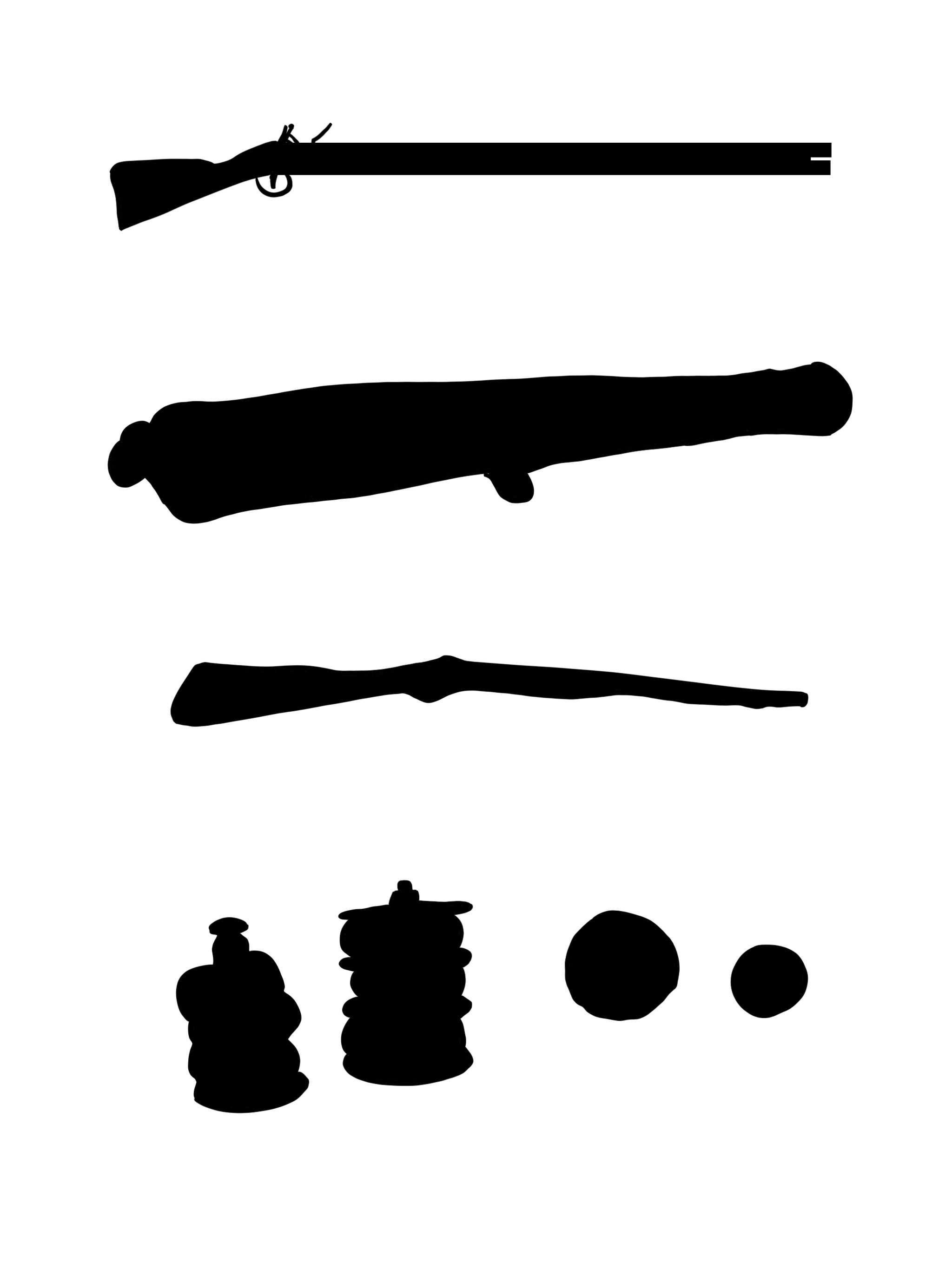
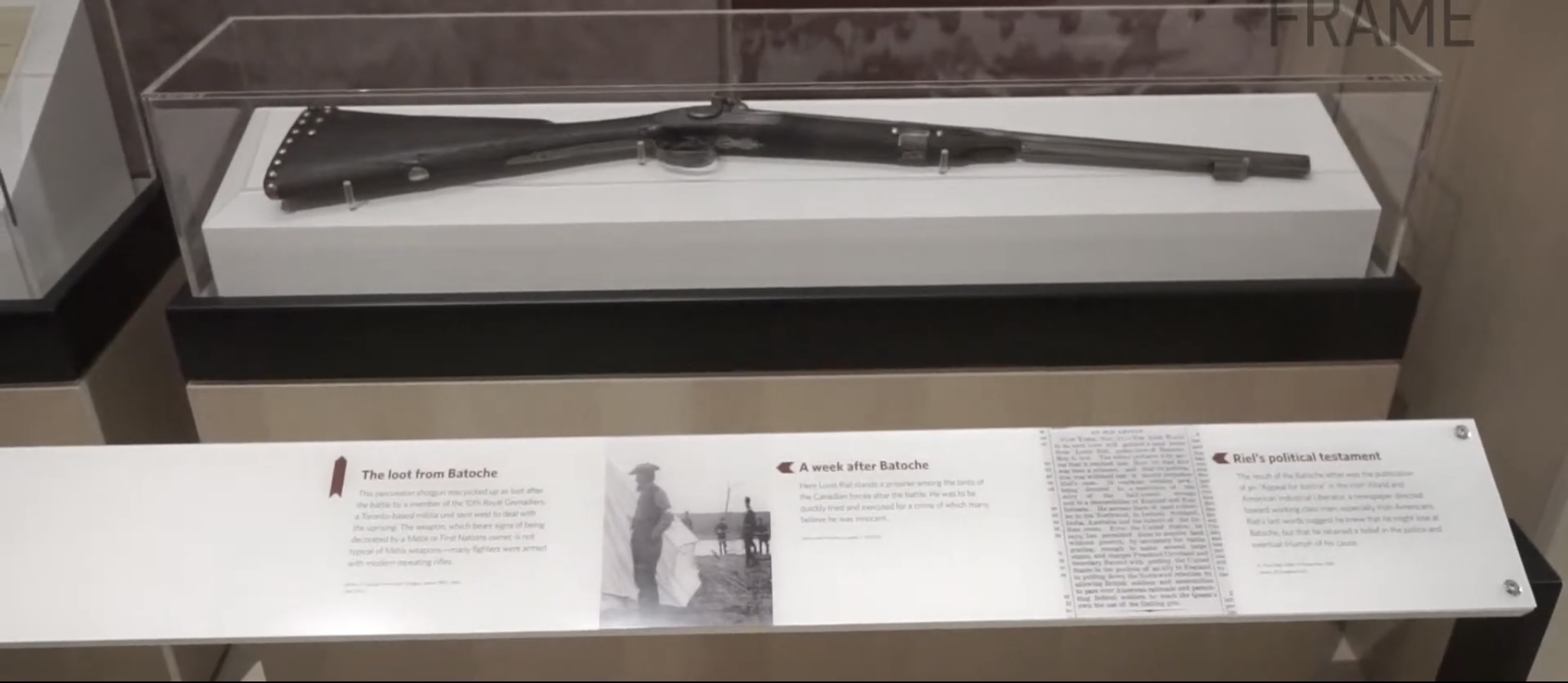
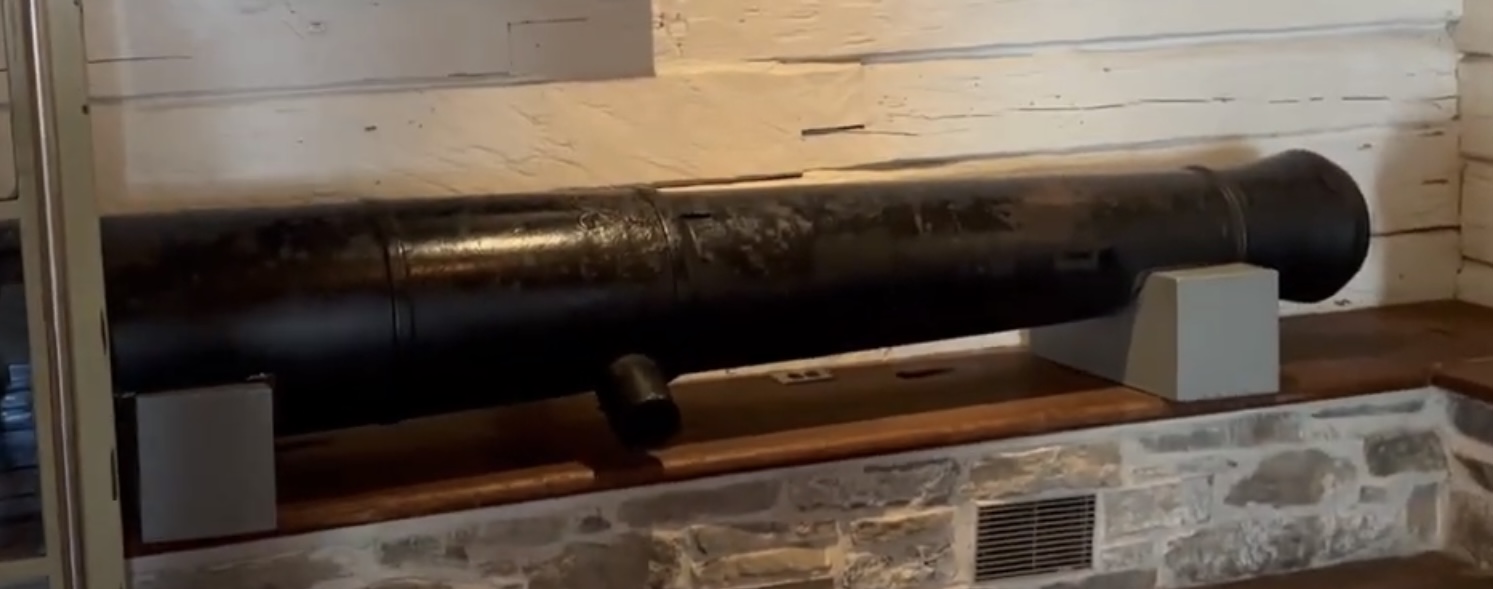
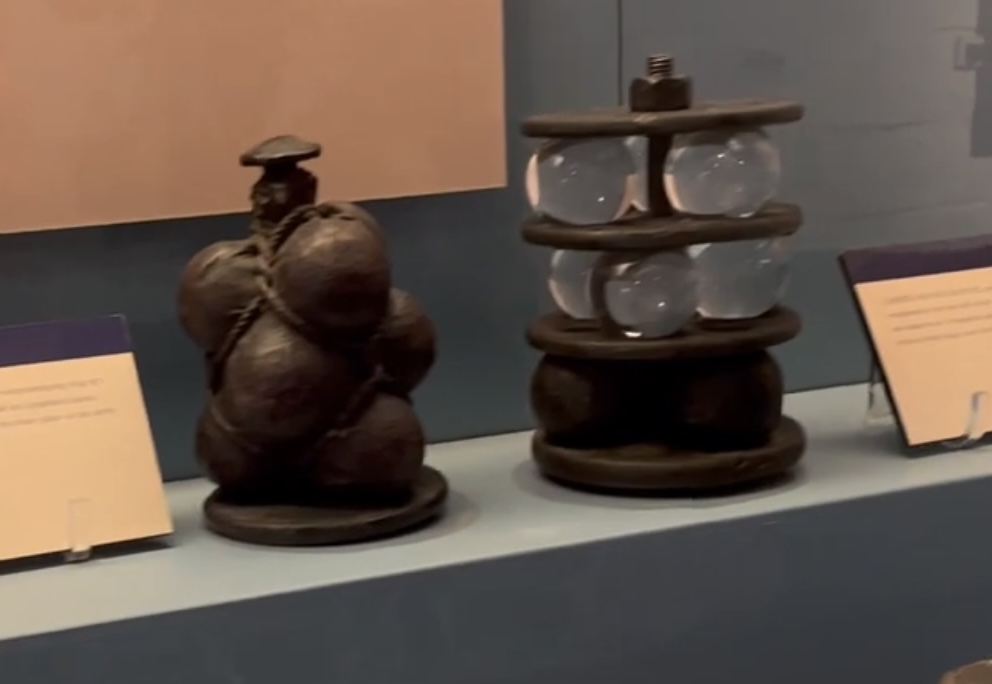
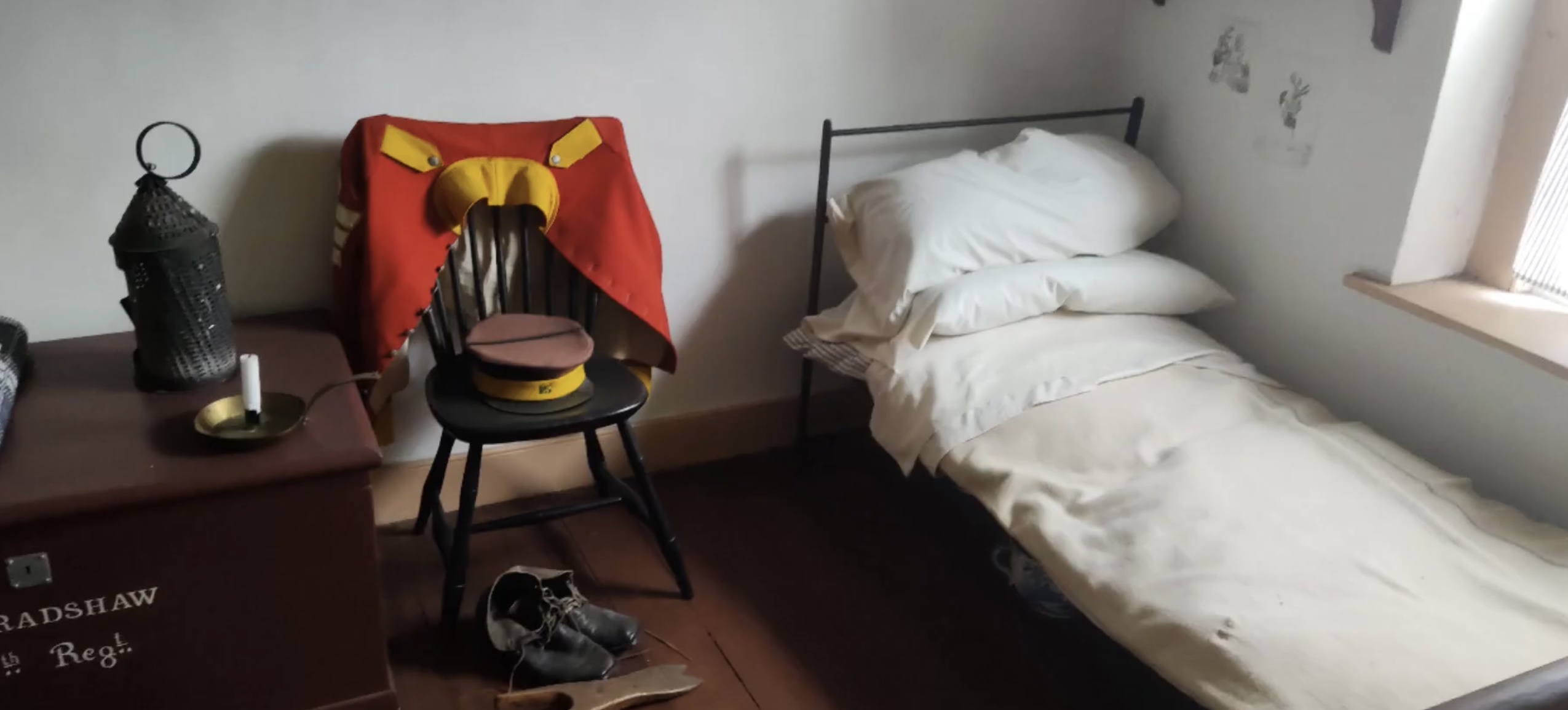
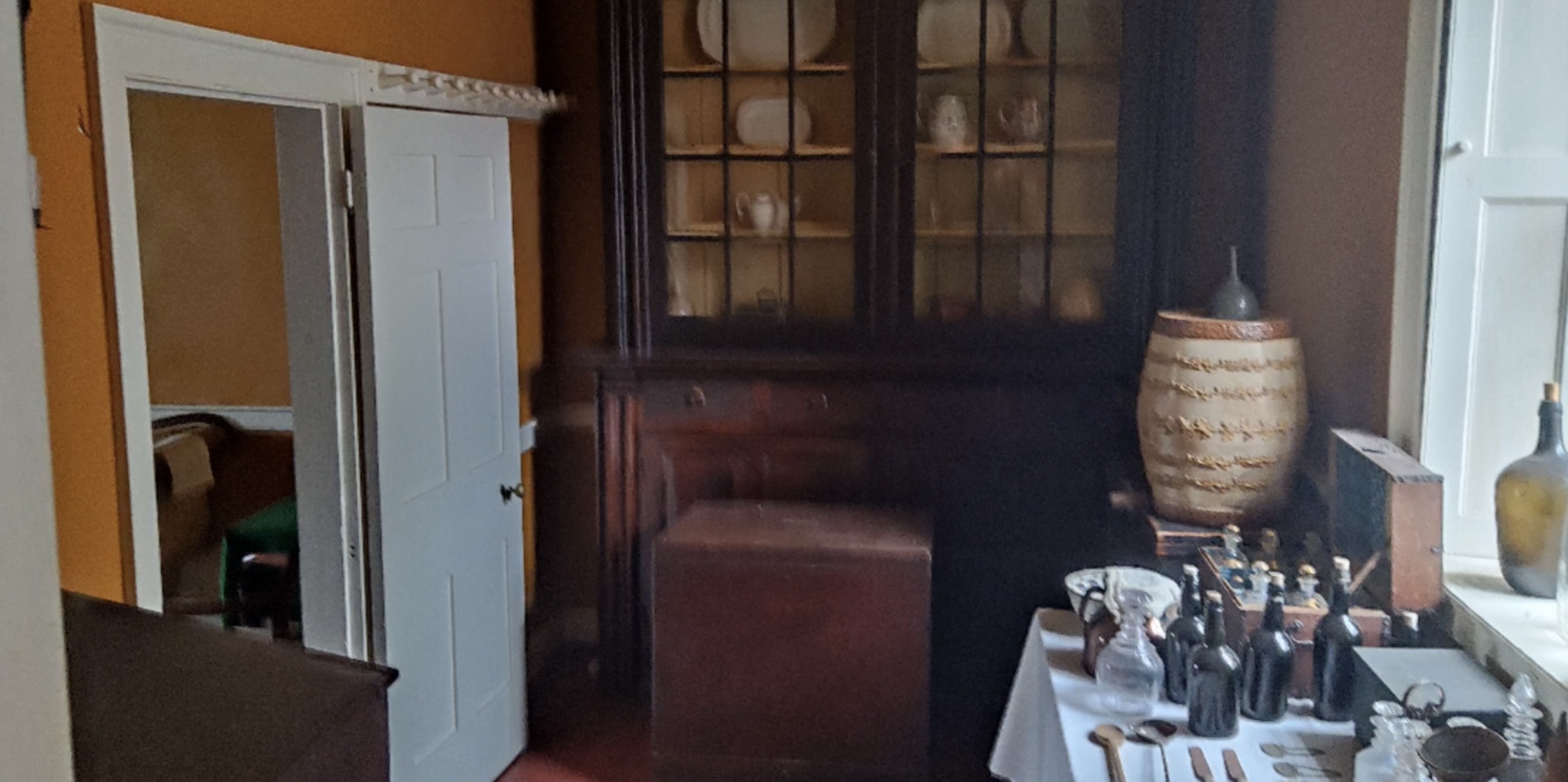
At last, when making the third part of the silhouette, the children drew a lot of silhouettes, which also showed me that the children were very interested in hands-on games. In the same way, the children would compare with each other who drew the best and fastest.
When this was done, the landlord's friend told me and the children about the history of Fort York, they mentioned that at the beginning of the War of 1812 it was very easy for the Americans to expand into Canada. But in April 1813, nearly 3,000 Americans stormed Fort York, Ontario, in what is now Toronto. They defeated 750 British and Indians. But even though the Americans managed to capture Fort York, the victory came at a cost that left the United States with no strategic gain. Which I then translated to my relatives.
Then I mentioned the idea of war and peace to the children, and they all thought how wonderful peace was. Some children also asked me why there will be war, I was then said a story about China's last Han Dynasty three kingdoms period of king Liu Chan and Prime minister Zhuge Liang, king Liu Chan naive asked Prime Minister Zhuge Liang, why do we want to attack the state of Wei and Wu, is peace not good? And the Prime minister Zhuge Liang said, "Your Majesty, you are now 17 years old, I am 52 years old, if I want to live and work in peace and contentment, I can almost anytime, but Your Majesty will suffer from war after my death, the states of Wei and Wu themselves have a quarrel with state of Shu, we are bound to have war, and when I die, what will Your Majesty do?" There are many reasons for war. Some people are forced to accept war in order to defend their homes, and some people wage war to make their homes richer. Just like Fort York, who went to war to defend their home, invaders will go to war for profit. So it is impossible to say clearly, but we can all understand the preciity of peace. Just like the life now, how wonderful it is, which was impossible to imagine before. The adults understood what I meant, but the children were still confused. In the end, I bought some food for the children participating in the activity.
Personal summary
In my opinion, after a series of questioning tests, this activity is suitable for people between 6 and 12 years old. Cooperate with my game, children are the best target. Displays of military artifacts, clothing and weapons are the place where the events take place so that children can ask questions and communicate with each other without trouble. And children are not easily separated. This test also made me decide to use silhouette question-and-answer and crafting for activities. The visitors can learn more knowledge, communicate with different people, and draw different picture silhouettes. I personally feel that it is very important for me and the museum, because to absorb different opinions is also a different development of social affairs, if you do not accept new opinions, you will only degrade yourself, and even learn new knowledge for me.
The Pedagogical Plan Proposal:
Project: The project concept revolves around the theme of "Play and learn". This time, I designed a game to allow visitors to question and answer the silhouettes of different pictures, and then slowly explain the war in history, so that visitors can understand the nature of war and peace.
Game's Name: Use Picture Silhouette Question-And-Answer And Crafting
Location in the museum: This game can be a simple introduction to visitors through a variety of pictures and silhouettes, especially for children who have not yet learned the history of York Fort to add a little fun, so that children can better remember the museum's various artifacts, weapons and clothing history.
Age/Grade range: This game is suitable for children between the ages of 6 and 12, but is more suitable for children between the ages of 8 and 12, because most children in Toronto are 8 and 9 when they learn the history of Fort York, but it is suitable for all ages, because you can guess what the patterns are by asking the children, "What do you think this is?" And "What do you think it could be used for?" .
Challenges: When children answer some questions about the silhouette, the more mature children are a little indifferent to the silhouette itself, but when combined with the historical explanation, the children can be attracted to the attention.
Interpretive Pedagogy: The game as a lesson plan, combined with silhouette pictures and children were then asked to make different picture silhouettes and asked questions of different children. So that children can learn in the game, but also pay attention to allow them to learn in a more free and personalized.